
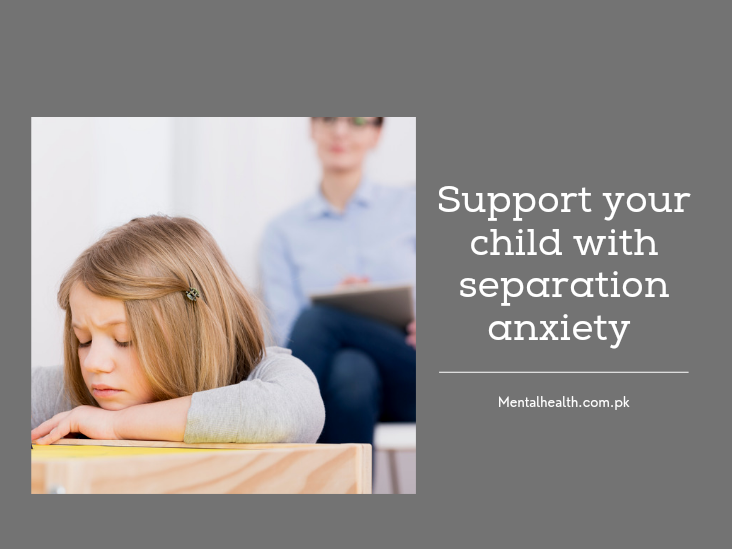
Separation anxiety in children is a normal stage of development, and it can also become a persistent worry that makes goodbyes, school mornings, and bedtime hard for the whole family. Many young children cry, cling, or protest when a parent leaves, even when they are going to a safe place with a trusted caregiver. That reaction usually means your child feels safe with you and is still learning that you will come back.
Most children grow out of intense separation anxiety as they get older and gain confidence. In the meantime, calm, consistent routines and gentle practice can help your child feel safer and more independent. This guide explains what separation anxiety in children can look like, why it happens, and practical ways to support your child at home, at drop-off, and at bedtime. You can also discuss your concerns in our community, and keep visiting Mental Health for reliable information.

Key Takeaways
- Separation anxiety in children is common in early childhood and often improves with time and experience.
- Clinging, crying at goodbyes, and worry about being apart are common signs, and they can look different at different ages.
- Short, calm, consistent goodbyes help more than long goodbyes or slipping away without saying goodbye.
- Practice with short separations, predictable routines, and praise for brave steps can build confidence.
- Talk with your pediatrician if anxiety is severe, lasts a long time, or interferes with school, sleep, or daily life.
What Is Separation Anxiety in Children?
Separation anxiety in children is distress or worry that appears when a child is separated from a parent or another attachment figure, or when separation is expected. It often begins in infancy, when babies start to understand that people and objects still exist even when they cannot be seen, and that a parent who leaves the room has gone away. At this stage, crying when a parent leaves is a normal way for a baby to communicate a need for closeness and reassurance.
As children grow, separation anxiety usually changes. Toddlers may protest loudly at daycare drop-off, preschoolers may worry about what will happen while a parent is away, and school-age children may worry about getting lost, being alone, or something happening to a parent. For many children, these worries come and go. They may be stronger after a change such as starting school, moving house, a new sibling, or a family illness, and they often ease once the new routine feels familiar.
Separation anxiety becomes a concern when it is frequent, intense, or long-lasting, and when it regularly interferes with school, friendships, sleep, or family life. Only a qualified professional can decide whether a child’s anxiety meets the criteria for a diagnosis, and this article is not a substitute for that assessment.
Signs of Separation Anxiety in Children
Signs of separation anxiety in children can be emotional, physical, and behavioral. Not every child shows the same signs, and signs can be stronger on some days than on others.
Emotional and Behavioral Signs
- Clinging to a parent and refusing to let go at goodbyes
- Crying, tantrums, or pleading when a parent is about to leave
- Refusing to go to school, daycare, or a friend’s house
- Following a parent around the house and wanting to stay close
- Worrying that something bad will happen to a parent while they are apart
- Difficulty sleeping alone or wanting to sleep in a parent’s bed
Physical Signs
- Stomach aches or headaches, especially before school or separations
- Feeling sick, shaky, or tense when separation is expected
- Trouble falling asleep or nightmares about separation
- Loss of appetite or difficulty concentrating when worried
If physical symptoms are new, severe, or persistent, it is important to have them checked by a doctor, because they can have other causes as well.
Why Does Separation Anxiety Happen?
There is no single reason for separation anxiety. A child’s age and stage of development play a large part. Young children are still learning that a parent who leaves will return, and they may not yet have the words to describe their feelings. Temperament also matters: some children are naturally more cautious or sensitive to change, and they may need more time to feel comfortable in new situations.
Life events can also play a role. Starting school or daycare, moving to a new home, a change in caregivers, the arrival of a new sibling, or a stressful family event can all make separation feel harder for a while. In most cases, separation anxiety is not caused by anything a parent did wrong, and it is not a sign of poor parenting. It is a sign that a child is still building confidence and trust.
How to Support Your Child
Supporting a child with separation anxiety is usually about being calm, predictable, and patient, while gently helping your child practice being apart. Small, steady steps work better than sudden changes. The ideas below can be adapted to your child’s age and needs.
Supporting Infants and Toddlers
Start by introducing new people gradually, while you stay nearby. Let your child watch a new caregiver interact with you first, so they can see that the person is safe. Keep goodbyes short and warm, and say when you will be back in words your child can understand, such as after lunch or after nap time. When you return, greet your child warmly, so they learn that leaving is followed by coming back.
Try to introduce a new caregiver when your child is rested and fed, not when they are tired or hungry. A comfort object, such as a favorite blanket or soft toy, can also help some young children feel safer when you are away.
Supporting Preschoolers
Preschoolers benefit from predictable routines and simple explanations. Talk about the day in advance: who will take them to preschool, who will pick them up, and what will happen in between. Keep your goodbye brief, calm, and consistent, and use the same words or routine each time. A quick hug, a wave at the window, and a clear plan for when you will return can be reassuring.
Praise brave steps, even small ones, such as walking into the classroom or saying hello to a teacher. Try to stay positive and confident yourself, because children often take their cues from the adults around them. If you are calm about the separation, your child is more likely to feel calm too.
Supporting School-Age Children
School-age children may need help with worries as well as with routines. Listen to their concerns without dismissing them, and help them name what they are feeling. You can practice coping skills together, such as slow breathing, thinking of a calm place, or planning what to do if they start to feel worried at school. A short note in a lunchbox, or a simple morning routine that leaves time to get ready without rushing, can also help.
Encourage your child to take part in activities they enjoy, and to build friendships at their own pace. If your child is struggling at school, talk with their teacher, so you can agree on a consistent plan for drop-off and for support during the school day.
What to Avoid
A few common habits can make separation anxiety harder, even when they come from a place of care. Try to avoid slipping away without saying goodbye, because your child may become more anxious about when you might disappear. Avoid very long, emotional goodbyes, which can make a separation feel bigger and more worrying than it needs to be. Avoid dismissing your child’s feelings with phrases such as do not be silly, and avoid making promises you cannot keep, such as saying you will be back in five minutes when you will be gone for hours. A short, honest goodbye is usually kinder in the long run.
When to Talk to Your Pediatrician
Talk with your pediatrician if your child’s anxiety about separation is severe, lasts for a long time, or interferes with school, sleep, friendships, or family life. It is also important to seek advice if your child has intense worry about losing or being separated from a parent, frequent nightmares about separation, a strong fear of sleeping alone, or physical symptoms such as stomach aches or headaches that keep happening before separations.
A pediatrician can check for other causes, offer guidance, and, if needed, refer your child to a mental health professional who works with children. Getting support early can help your child build coping skills and confidence, and it can help the whole family feel less stressed.
Frequently Asked Questions
Is separation anxiety in children normal?
Yes. Separation anxiety in children is a normal part of development, especially in babies, toddlers, and preschoolers. It often improves as children get older, gain experience with separations, and learn that a parent who leaves will come back.
At what age is separation anxiety most common?
Separation anxiety often begins in infancy, is common in toddlers and preschoolers, and usually becomes less intense as children grow older. It can appear again at times of change, such as starting school, even in older children.
How long does separation anxiety last?
There is no set time frame. For many children, it comes and goes and gradually eases with practice, predictable routines, and support. If it is severe, lasts a long time, or interferes with daily life, talk with your pediatrician.
How can I help my child at school drop-off?
Keep drop-off short, calm, and consistent. Say goodbye in the same warm way each time, tell your child when you will be back, and leave promptly. A familiar routine, a comfort object if allowed, and praise for brave steps can all help.
When should I seek professional help for my child?
Seek professional help if separation anxiety is intense, persistent, or interferes with school, sleep, or friendships, or if your child has frequent nightmares, physical symptoms, or intense worry about losing a parent. A pediatrician can advise on next steps and, if needed, refer you to a child mental health professional.
Reviewed by Aamir Ranjha
If you are in crisis: In the United States, call or text 988 to reach the Suicide & Crisis Lifeline, available 24 hours a day, 7 days a week. If you are outside the United States, contact a local crisis line or emergency services in your country. If you feel you may act on thoughts of harming yourself, or if a child is in immediate danger, seek emergency help right away.
This article is for general information only. It is not a substitute for professional diagnosis, treatment, or advice. If you are concerned about your child’s mental health, please speak with a qualified health professional.