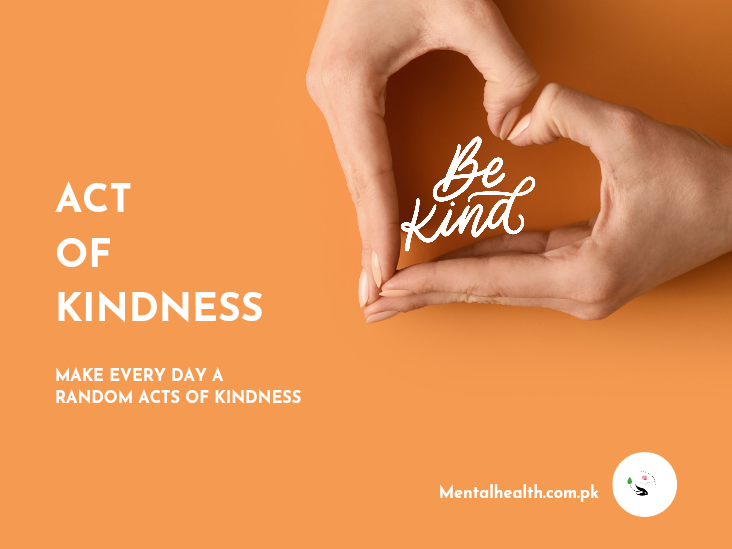
A random act of kindness is a small, unexpected gesture offered without expecting anything in return: holding a door open, paying for a stranger’s coffee, or sending an encouraging message to a friend who is having a hard week. These moments cost little, yet they can change the course of someone’s day, including your own.
Kindness is often described as a soft quality, but its effects are practical. A small gesture can lift a stranger’s mood, ease your own stress, and remind both of you that people look out for one another. This article explains what random acts of kindness are, why they matter for mental wellbeing, and how to make them part of everyday life.
Key Takeaways
- Random acts of kindness are small, voluntary gestures given without expecting a reward.
- Kindness benefits the giver as well as the receiver: it can lift mood, reduce stress and strengthen connection.
- You do not need money or grand plans — a smile, a message or a few minutes of your time is enough.
- Kindness is a habit. Small daily gestures build a kinder outlook over time.
What Is a Random Act of Kindness?
A random act of kindness is an action done freely, without being asked and without expecting anything back. The word “random” matters: the gesture is not part of a duty or a transaction. It is a choice to be generous with your time, attention or resources in an ordinary moment.
Kindness can be large or small. Donating to a food bank is kindness; so is letting someone go ahead of you in a queue. What these actions share is intention: you noticed another person and chose to make their day slightly easier. The receiver may never know your name, and that is part of the point. The value lies in the act itself, not in recognition.
Why Small Gestures Matter for Mental Wellbeing
Kindness affects the person who gives it as much as the person who receives it. Doing something kind can lift your mood, because it shifts your attention away from your own worries and towards something you can influence. It also creates a sense of connection: even a brief friendly exchange reminds you that you belong to a community of people who notice each other.
Kindness can also reduce stress. When you help someone, your focus moves from rumination to action, and the positive response you receive — a smile, a thank you — reinforces the behaviour. Over time, people who practise kindness regularly often describe feeling more purposeful and more optimistic. None of this requires special effort. A single kind act, repeated often, is enough to start the pattern.
A Small Gesture That Stayed With Me
I was heading home from university one day, exhausted after a long and stressful day. I was walking on the pavement when a car slowed beside me. The driver, a stranger, waved at me and gave me a thumbs-up, singing along to her favourite song as she drove past. I was taken aback. I was having a horrible day and could not understand why she was so cheerful.
Her small gesture made me feel better on the spot. A few months later, I still smiled when I thought of that moment. I never learned her name, and she never knew how much her wave mattered. That is the quiet power of kindness: a stranger’s cheerfulness, offered without a second thought, made my day a little brighter and inspired me to do the same for someone else.
Simple Random Acts of Kindness to Try
You do not need a special occasion. Here are simple ideas, grouped by where you are.
At home
- Make an extra cup of tea or coffee for someone in your household.
- Ask a family member how their day really went — and listen to the answer.
- Do a chore that is not usually yours, without being asked.
- Leave a short encouraging note where someone will find it.
At work or school
- Greet your colleagues warmly when you arrive.
- Thank someone for help they gave you, in person or in a message.
- Share useful notes or resources with a classmate who missed a lesson.
- Offer to help a colleague who looks overwhelmed, even for ten minutes.
Out in the world
- Smile at a stranger on the bus or in a shop queue.
- Hold a door open for the person behind you.
- Let someone with fewer items go ahead of you in a queue.
- If a parking ticket or voucher still has time left on it, pass it on to the next person.
- Check in on a neighbour, especially an older person living alone.
The list could go on, but the principle is simple: look for the small opening in front of you and take it. A gesture does not need to be original to matter.
Kindness When Life Feels Hard
It is easy to be kind when life is going well. It is harder when you are tired, stressed or going through a difficult time yourself. Yet those are often the moments when a kind gesture helps the giver most, because it breaks the feeling of being stuck inside your own problems.
That said, kindness should never become a duty that exhausts you. You cannot pour from an empty cup. If you are running on empty, the kindest act may be a small one: a smile, a brief message, or simply being patient with the people around you. Taking care of yourself — resting, eating well, talking to someone you trust — is what makes sustained kindness possible.
How to Make Kindness a Daily Habit
Start small and specific. Choose one kind act a day for a week: send one encouraging message, hold one door, thank one person properly. Writing the act down each evening helps you notice how often you are already kind — and how good it feels.
It also helps to plan for the moments when kindness is hardest. If mornings are rushed, prepare the night before so you have time to greet people properly. If you tend to withdraw when stressed, agree with yourself in advance that you will still say hello to one person each day. Habits grow from repetition, not from willpower alone.
Finally, notice the effect. After a kind act, take a moment to observe how you feel and how the other person responded. That small moment of noticing is what turns a one-off gesture into a lasting habit.
When to Seek Extra Support
Kindness and connection support wellbeing, but they are not a replacement for professional help when life feels overwhelming. If low mood, anxiety or stress is making daily life hard to manage, talking to a trusted person, a counsellor or a mental health professional can make a real difference.
If you are in crisis or having thoughts of harming yourself, please reach out right away. In the United States, you can call or text 988 to reach the Suicide and Crisis Lifeline at any time. If you are elsewhere, contact a local crisis helpline or emergency service. Reaching out is a sign of strength, not weakness.
Frequently Asked Questions
What is a random act of kindness?
A random act of kindness is a small, voluntary gesture offered to someone without being asked and without expecting anything in return — for example, holding a door, paying for a stranger’s coffee, or sending an encouraging message.
Do random acts of kindness really help mental health?
Yes. Kind gestures can lift mood, reduce stress and strengthen a sense of connection for both the giver and the receiver. They shift attention away from worries and towards something positive you can control.
Do acts of kindness need to cost money?
No. Most meaningful gestures are free: a smile, a kind word, a few minutes of your time, or a message to someone who needs encouragement.
How can I be kind when I am stressed myself?
Start very small — a smile, a brief greeting, a patient word. Small gestures still count, and they can lift your own mood too. If you feel exhausted, look after yourself first; kindness is sustainable only when you are not running on empty.
What are some easy random acts of kindness for children?
Children can share a toy, help a classmate, draw a picture for a grandparent, or say something kind to a friend who looks sad. Simple, concrete actions work best, and praising the behaviour encourages them to repeat it.
Does kindness have to be anonymous?
No. Anonymous gestures are lovely, but most kindness happens face to face — a thank you, a compliment, a helping hand. What matters is the intention, not whether anyone knows who did it.
Reviewed by Aamir Ranjha, Clinical Psychologist. This article is for general information only and is not a substitute for professional advice, diagnosis or treatment.